Tales of Loss
Makoko, often described as a community built on water and memory, is not only a place of residence but also a socio-economic ecosystem sustained by fishing, informal trade, and tightly woven communal ties. For nearly forty years, it has existed under the constant shadow of the threat of eviction, driven by competing interests among urban expansion policies, state authorities, and private economic actors. The recent demolition, however, marks a particularly painful chapter that residents describe not only as a physical destruction of homes but as an assault on dignity, identity, and survival.
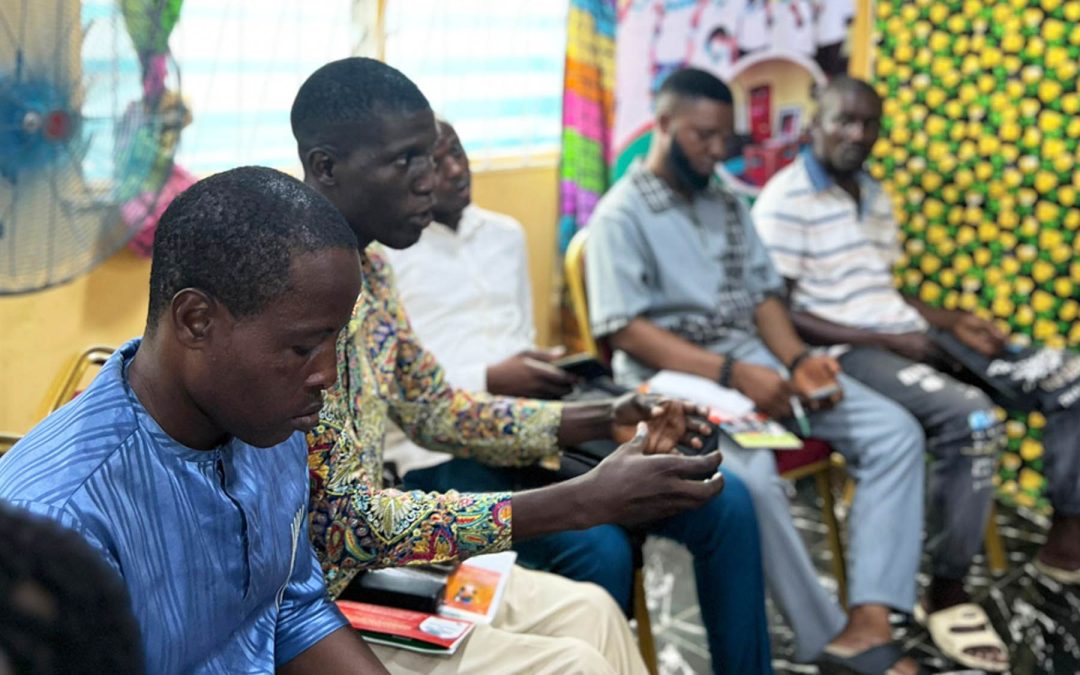
On Monday, 23rd March 2026, Health of Mother Earth Foundation (HOMEF), in collaboration with CEE-HOPE, hosted a dialogue with representatives from Makoko on ways to build resilience in the face of disasters. The meeting followed a fresh wave of demolitions that have disrupted lives, erased homes, and intensified the precarity that residents have endured for decades. The gathering brought together a select group of community representatives, a baale, community leaders, students, and youth. It was framed as a listening space, an opportunity to share experiences, reflect collectively, and begin to map pathways toward justice.
The dialogue was guided by three objectives. First, to understand the lived realities of those directly affected by the demolitions. Second, to interrogate the narratives presented by government authorities, particularly claims of consultation and planned resettlement. Third, to explore possible responses, including legal action, advocacy, and community-led strategies for resistance and recovery.
Participants spoke extensively about the layered impacts of forced eviction, which saw homes demolished without adequate notice, leaving families displaced and exposed. Many returned from daily work to find their houses gone alongside their belongings, memories, dignity and sense of safety. Displacement has led to physical and psychological distress. Participants reported worsening living conditions, trauma, and even deaths among those relocated to unsuitable environments. They felt they were discounted except when needed for electoral votes.
Makoko’s fisheries-based economy suffered severe disruption. Fishing gears, boats, storage spaces, and access to water were lost. Relocation plans to inland areas such as Epe were widely rejected as impractical and harmful to water-dependent people. Makoko’s strength lies in its tight-knit communal fabric. Evictions fractured these bonds, dispersing families and weakening long-standing systems of mutual support.
Participants interrogated how different power structures have responded. The government’s narratives framed the demolition as urban renewal and environmental management. Claims of consultation and planned resettlement were strongly disputed by residents, who described these processes as rushed, inadequate, or entirely absent. They gave accounts of intimidation, harassment, and violent enforcement from security forces. Residents described fear-driven compliance rather than participatory engagement.
Participants raised concerns that the demolition is driven by economic interests, particularly plans for high-value real estate development, rather than genuine public good.
CSOs, including HOMEF and CEE HOPE, were acknowledged as among the critical allies who have so far intensified their voices, documented abuses, and provided platforms for resistance.
While media coverage has brought visibility, participants noted that dominant narratives often reflect official positions, leaving community voices underrepresented or distorted. Despite these pressures, the Makoko community continues to respond with agency and determination: protests, flagging the goal post, and meeting with the government.
On the Path to resilience, residents are asserting their rights, challenging unjust narratives and refusing to be silenced.
The importance of unity was strongly emphasised with warnings against internal divisions that weaken collective resistance. Calls were made for stronger collaboration between elders, youths, and allies to ensure informed decision-making and collective action. Moreover, legal action, documentation of testimonies, and engagement at national and international levels were identified as key strategies.
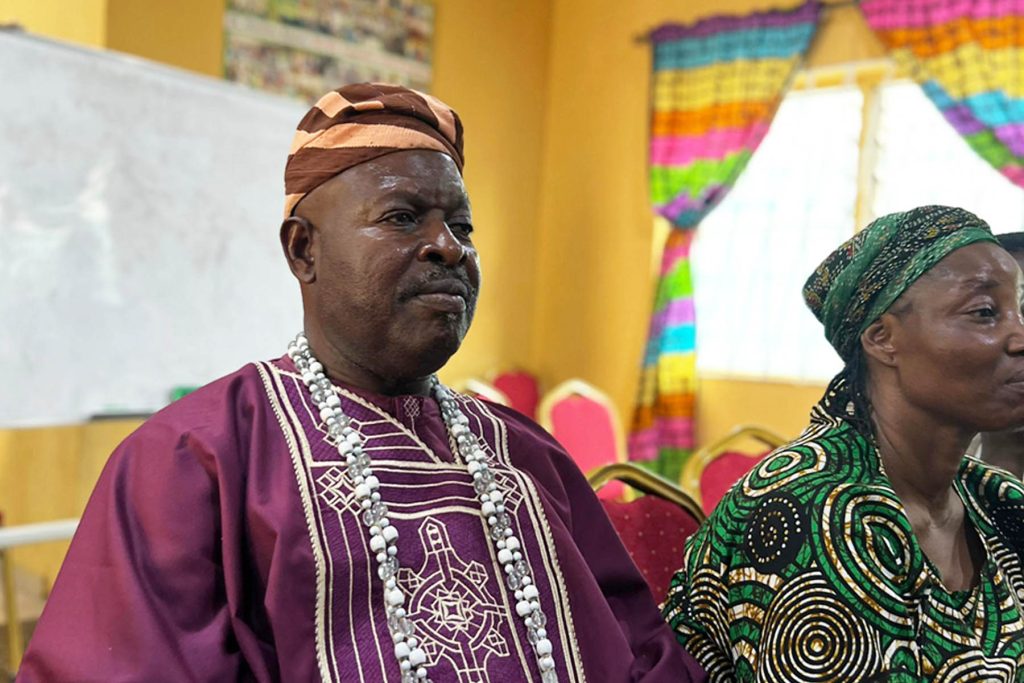
Participants noted demolition raises serious concerns about the right to life, dignity, and participation in decisions affecting one’s existence and demanded compensation for lives lost, livelihoods destroyed, and trauma endured.
They also challenged the unequal distribution of urban resources and opportunities with calls for inclusive development. They framed resilience as not being passive endurance, but as active rebuilding.
Participants pledged to unite and support each other while documenting harms, acknowledging losses, and seeking justice for past violations. To build today, the people are on a journey to strengthen community systems, support education, and organise for collective survival. At the heart of resilience are dignity, respect and support; these values must guide all interventions and policies affecting the community.
Conclusion
The Makoko demolition is not an isolated event but part of a broader pattern of urban displacement and marginalisation. What emerged from this dialogue is a clear and compelling narrative of injustice, but also of resilience. Residents are not passive victims but are active agents, deeply aware of their rights and determined to defend them. They call for a more just, inclusive approach to urban development that prioritises people over profit, dignity over displacement.
They evoked a vision of tomorrow where Makoko community emerges from the dust and becomes a place where stories of helplessness become the canvas for weaving hope and where people’s lives are upgraded rather than displaced.