Communities in Ogulagha and Okuntu, Burutu Local Government Area of Delta State, are facing a severe environmental crisis following a major oil spill that began impacting their shorelines on January 30, 2026. Fishers, who depend entirely on the waters for their livelihoods, are now desperately appealing for intervention as dead marine life and crude oil residues continue to devastate their environment.
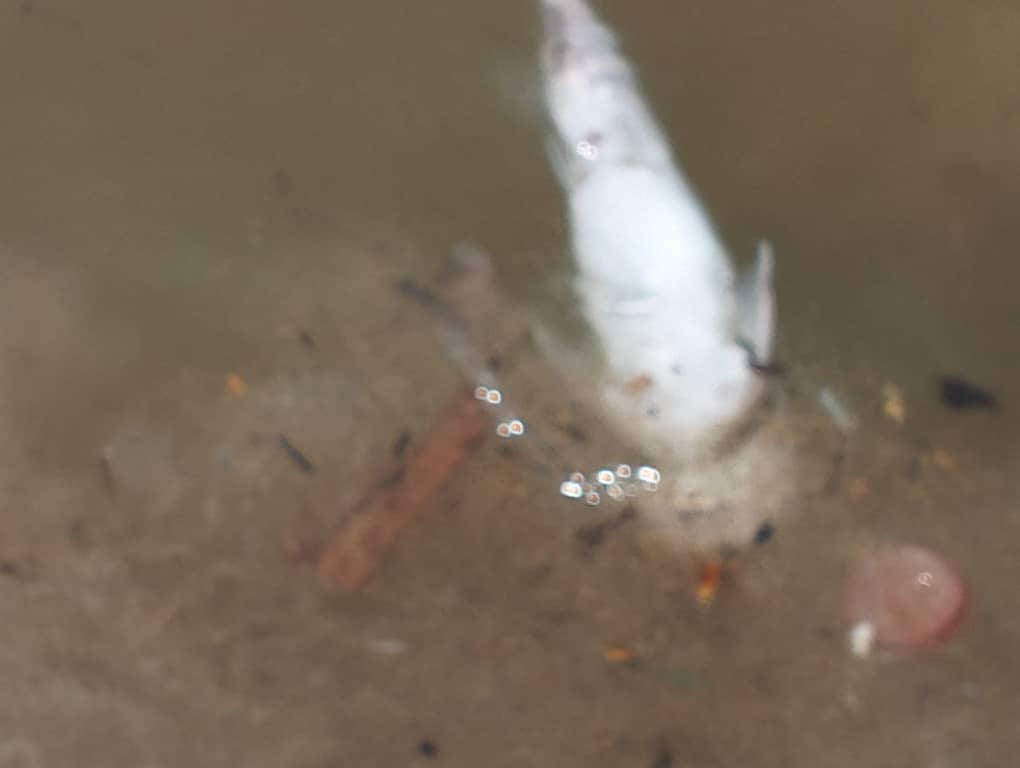
The alarming situation prompted a visit to the area on February 2, 2026, by Health of Mother Earth Foundation (HOMEF)’s Field Monitor, Cadmus Atake-Enade, in response to a distress call from community leader Mr Tony Temewei. The spill, reportedly originating from the Ramos River in Bayelsa State, has been carried by tides into the heart of Ogulagha’s fishing grounds. Within just 24 hours of the incident, residents began reporting sightings of dead fish washing ashore.
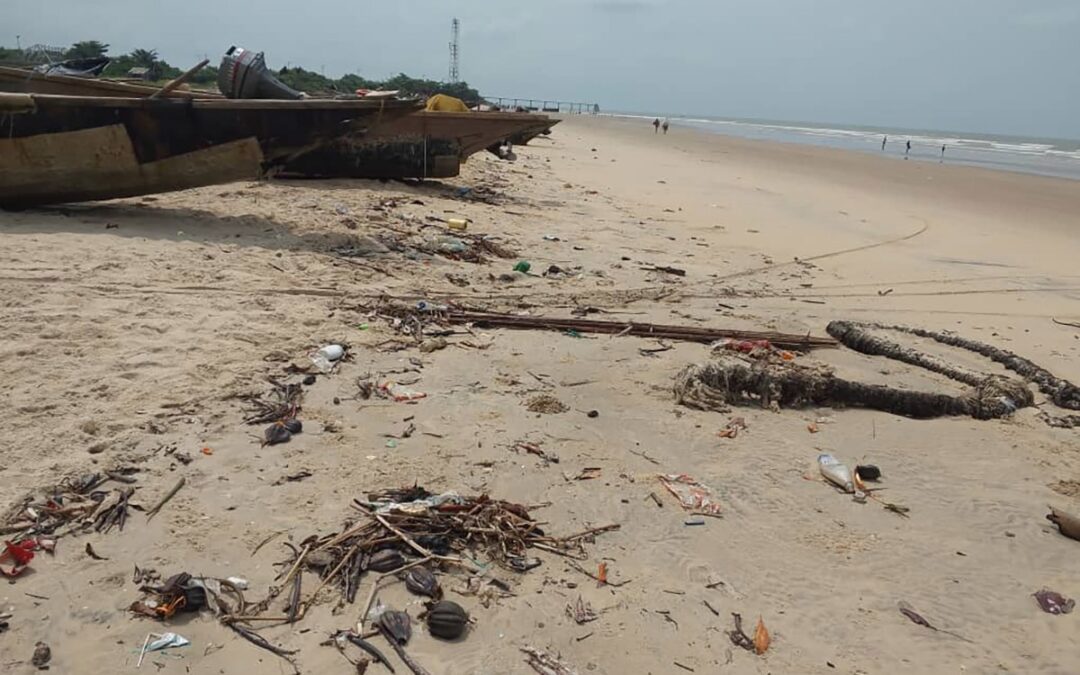
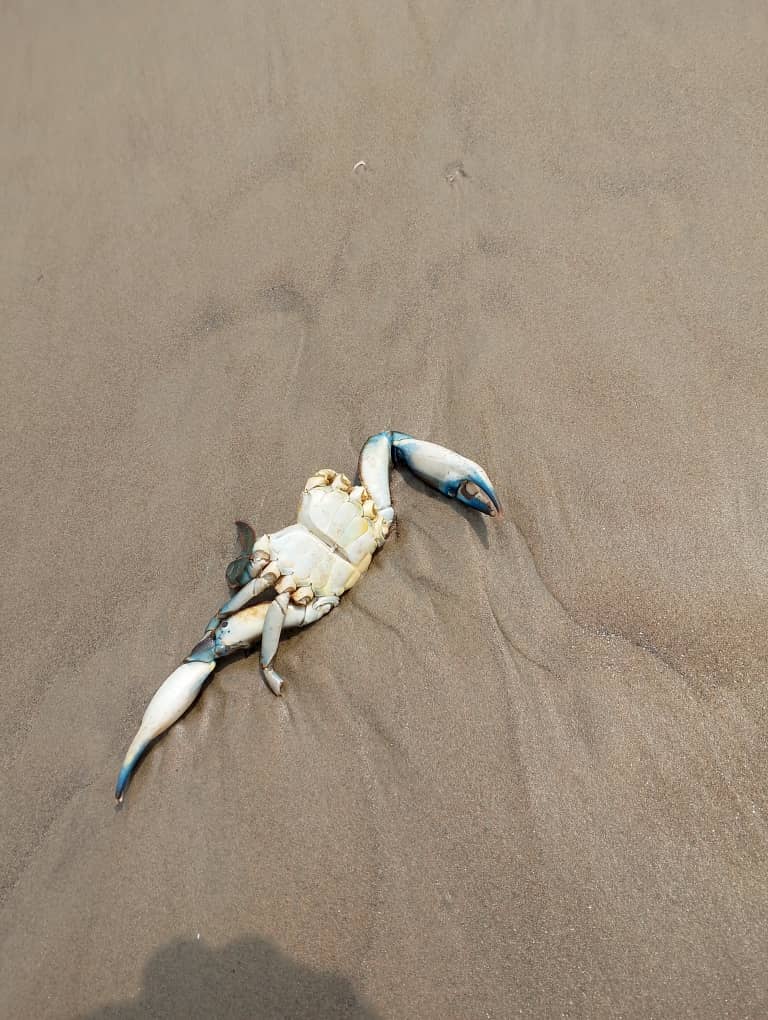
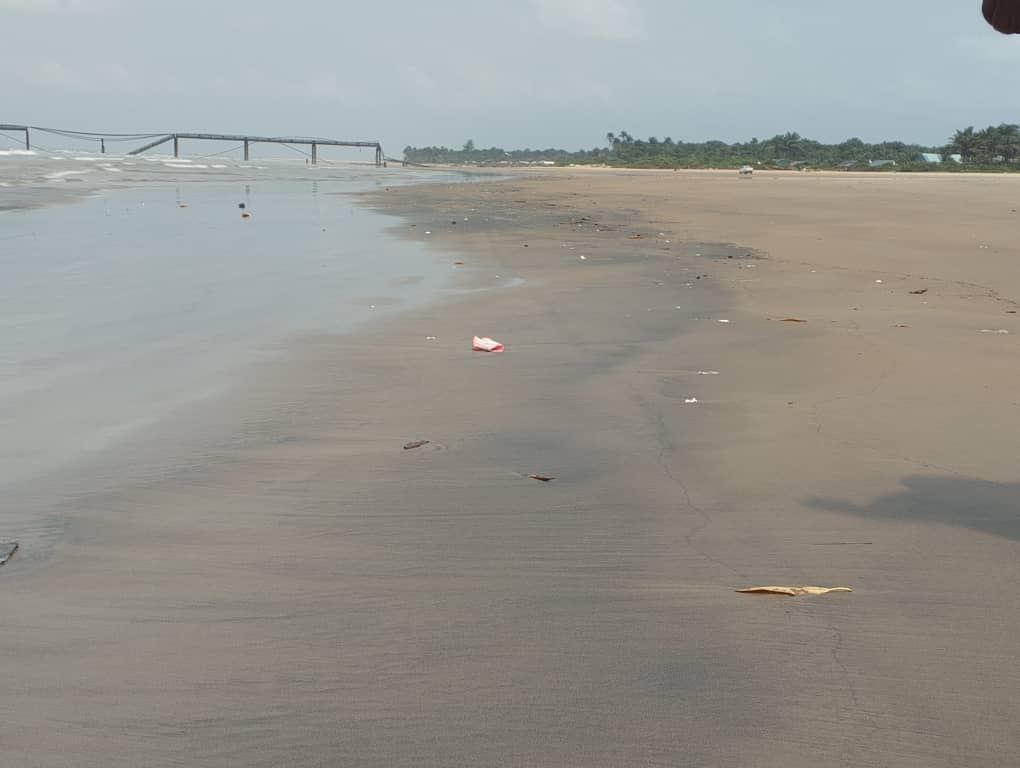
Upon arrival, the on-ground assessment revealed the widespread devastation. HOMEF’s field monitor was guided from Ogulagha to the Okuntu community to assess the damage. While low tide had washed away much of the visible oil into the sea, stark evidence of the catastrophe remained. Black oil sheen residues coated the shorelines, accompanied by an unsettling number of dead fish and crabs.
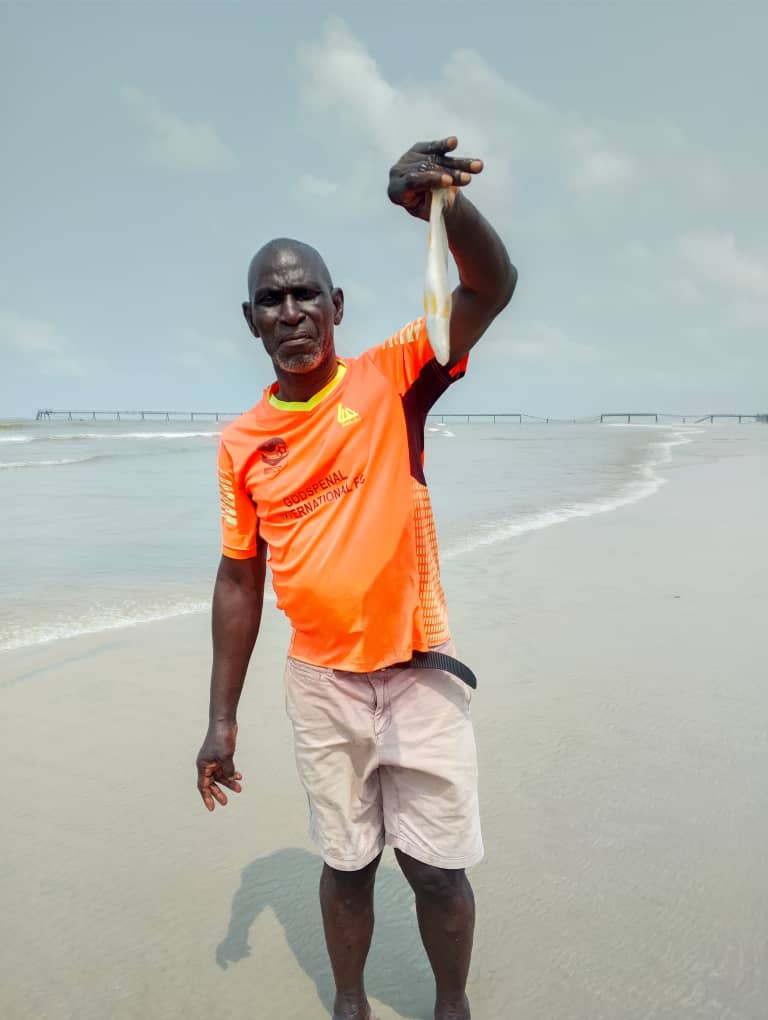
Community leaders and fishers provided grim testimonies, detailing how the spill unfolded. “On Thursday, January 30, 2026, the community people of Okuntu experienced a massive oil spill which flowed all the way from River Ramos in Bayelsa State into their shorelines, resulting in loss of fish and other biodiversity in the water body,” one leader recounted.
The impact on local livelihoods was immediate and devastating. “Since the incident occurred, we have been seeing dead fish floating on our water, and this has affected fishing activities,” a community member stated. They further explained the frustration of attempting to report the spill: “When we call on the company, they tell us there is no oil spill because the oil has been washed into the sea, but as we can see, the effect is clear – dead fish in our river and other visible evidence of the spill on the shorelines. The entire sea has really been impacted, and hunger has increased in the community because the people can no longer fish.”
The situation has become so dire that residents have resorted to desperate measures. “A few days ago, we observed dead fish all around the shorelines, and people had to pick them to process for food,” shared Madam Patience, a fisherwoman from the community. She added, heartbreakingly, “Our water is now filled with oil, and we don’t have water to drink. Please, we need help, we are dying from oil pollution in the community.”
Community Demands Urgent Action
In response to the ecological disaster, the people of Okuntu community have put forth clear and urgent demands:
1. They call for an urgent investigation into the source of the spill by the National Oil Spill Detection and Response Agency (NOSDRA) and other relevant government agencies, as well as oil companies operating near Okuntu and Ogulagha.
2. Proper cleanup of the impacted shorelines to be carried out to enable fishers to resume their essential fishing activities.
3. Comprehensive support and compensation are demanded for those fishers whose livelihoods have been decimated, ensuring they have alternative means of sustenance.
Recommendations for Stakeholders
HOMEF and the affected communities urge all stakeholders to act decisively, include by:
1. A thorough investigation led by the community to assess the true extent of loss and impact from the spill.
2. Fishers should be encouraged to report any findings during their activities at sea and to meticulously document observations with photographic evidence.
3. NOSDRA is urged to establish a dedicated monitoring team to properly investigate the spill’s source, facilitate effective cleanup operations, and hold the responsible company accountable.
4. Those affected by the oil spill must receive adequate compensation for their losses.
5. The state government and other relevant stakeholders are called upon to promptly come to the aid of the people in finding lasting solutions to the impacts of the oil spill.