
fossil Politics
This track investigates our massive dependence on fossil fuels and builds from the power of the communities who subsidise this perverse industry and who suffer gross despoliation. We believe that a transition from fossil fuels must be rapid and urgent and devoid of distractions by way of fixes that depend on the status quo.
Fossil Politics related news and updates
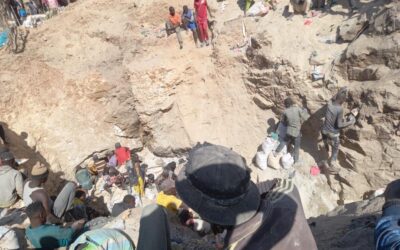
Forests, Critical Minerals, and the Crisis of Human Security
A resource is discovered; governments celebrate its economic promise, investors arrive, licences are issued, and extraction begins. Wealth leaves the territory, while pollution, damaged livelihoods and broken landscapes remain. Communities that live closest to the...
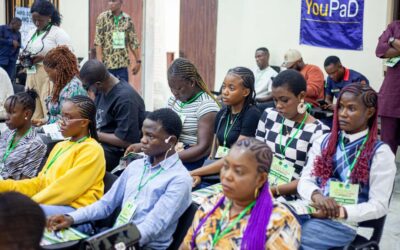
70 Years of Oil Extraction: Niger Delta Demands Healing, Not More Oil Wells
Seventy years after Nigeria began commercial oil production, stakeholders from across the Niger Delta have called for an end to new fossil fuel extraction, insisting that the region needs environmental restoration, reparations, and a just transition rather than more...
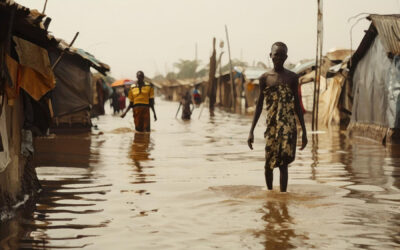
Drowning Communities: Human Rights, Loss and the Price for Development
Rapid urban expansion in Nigeria’s coastal cities is producing severe environmental trade-offs that undermine climate resilience, livelihoods, and justice. Under the banner of development, waterfront and coastal communities are increasingly exposed to forced...
Fossil Politics related news and updates
Featured Publication

Africa caught in the Fossil Trap
African economies, which rely heavily on fossil natural resources, have been plagued by a host of challenges, including low living standards, stunted economic growth, corruption, and political turmoil. In light of these realities, this report delves into the root causes of the issues plaguing the industry and sheds light on the unforeseen consequences of Africa’s fossil fuel sector. It uncovers the devastating impacts of fossil fuel dependency, such as pervasive pollution, ecological degradation, and the displacement of indigenous communities. It offers insights into how African countries can effectively plan and transition toward a future that is less dependent on fossil fuels.
Other project tracks


